
At Least 64 Dead After Two High-Speed Trains Collide in Spain
A Renfe AVE train ran into the back of a stopped Iryo train on the Madrid-Seville high-speed line near Urda, in Spain's Toledo province, on October 28. The cause is under investigation.

This one isn’t a gadget story, but it’s the biggest news in the world this morning, so here’s what’s been confirmed so far. This is a developing story, and numbers may change.
What happened
Just before 9 a.m. local time on Wednesday, October 28, two high-speed trains collided on the Madrid-Seville line in Toledo province, central Spain, near the town of Urda. Both trains were heading south from Madrid in the same direction.
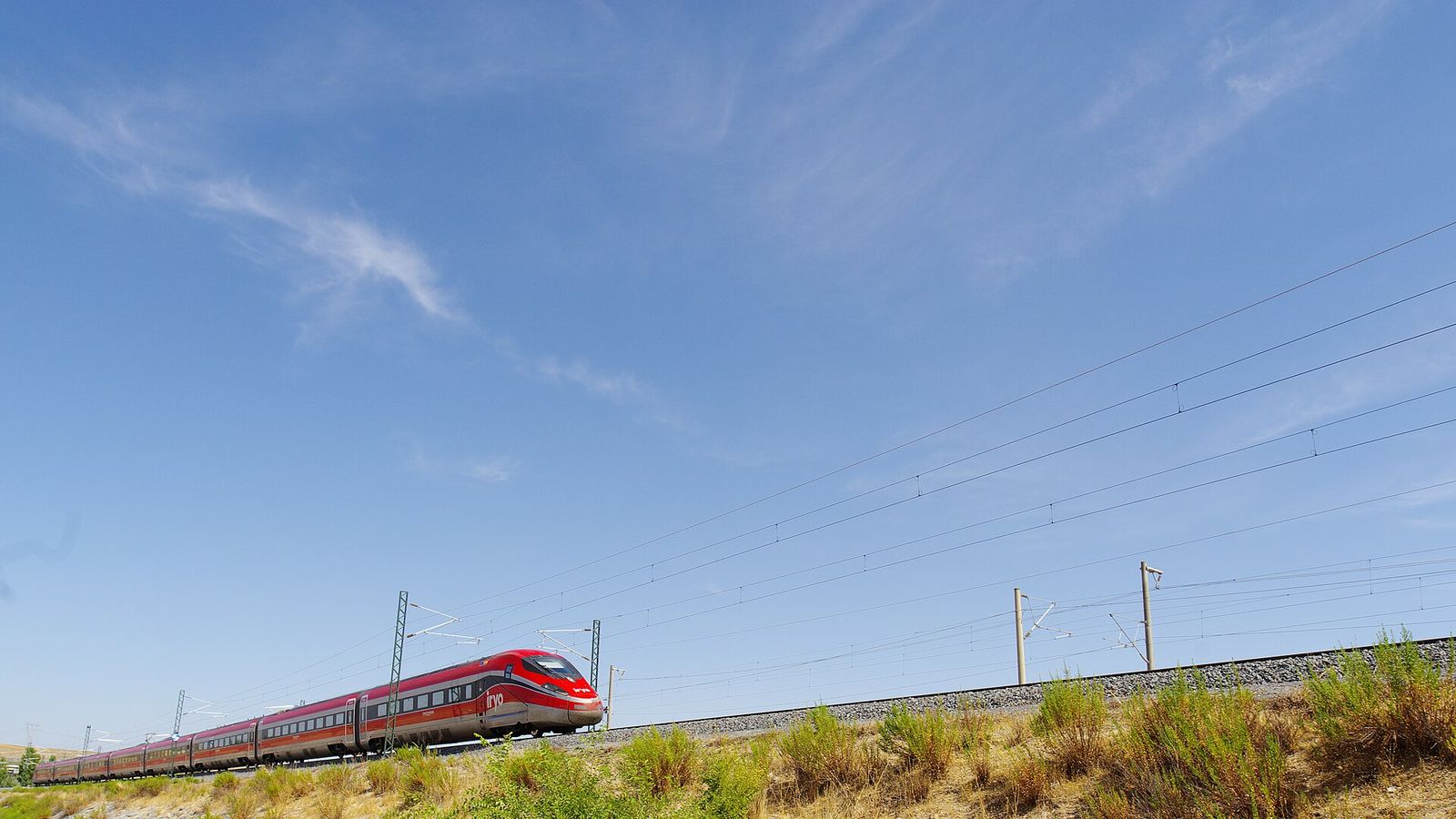
According to AP, The Guardian, El País and RTVE, a Renfe AVE train (Spain’s state-owned operator) ran into the back of an Iryo train (a private operator) that was stopped on the tracks. Carriages from both trains left the track, and some went down an embankment.
The toll so far
- The Castilla-La Mancha regional government says at least 64 people have died.
- More than 500 passengers were on the two trains. El País, citing the regional government, puts it at 544: 147 on the Iryo service and 397 on the Renfe AVE.
- Regional leader Emiliano García-Page warned that the toll could rise, because rescuers had not yet reached the bottom of some carriages, according to The Guardian.
Spain’s prime minister, Pedro Sánchez, said emergency services are on the ground and offered support to victims and their families. High-speed service between Madrid and Andalusia has been suspended.
What we don’t know yet
The big one: why it happened. The Guardian reports authorities have said the cause is not yet known. Spanish outlets are reporting early, unconfirmed findings about the line’s signaling, but officials haven’t confirmed a cause and an investigation is underway. I’m not going to guess. I’ll update when investigators say something official.
Why it matters
It’s Spain’s second deadly high-speed rail crash this year. In January, a collision near Adamuz involving trains from the same two companies killed 46 people. Spain has one of the biggest high-speed rail networks in the world, and the Madrid-Seville line is its oldest. So expect hard questions about rail safety there in the weeks ahead.
My thoughts are with everyone affected, and with the rescue crews still working the scene.
Have you ever ridden Spain’s high-speed trains? Does a story like this change how you think about rail travel?
Photos in the video are file images of the train types and the line, not of the crash.
Sources: AP News, The Guardian, El País English, RTVE